 CAD / CAE Software & Engineering
IWAKI DIECAST: 60% less modification time on die-casting molds
A Japanese die-casting and MIM company moved to ThinkDesign for better fillet modeling and faster changes.
Source. This case study summarizes a customer story published by DPT. It is not a Softprint project. Read the original.
Customer
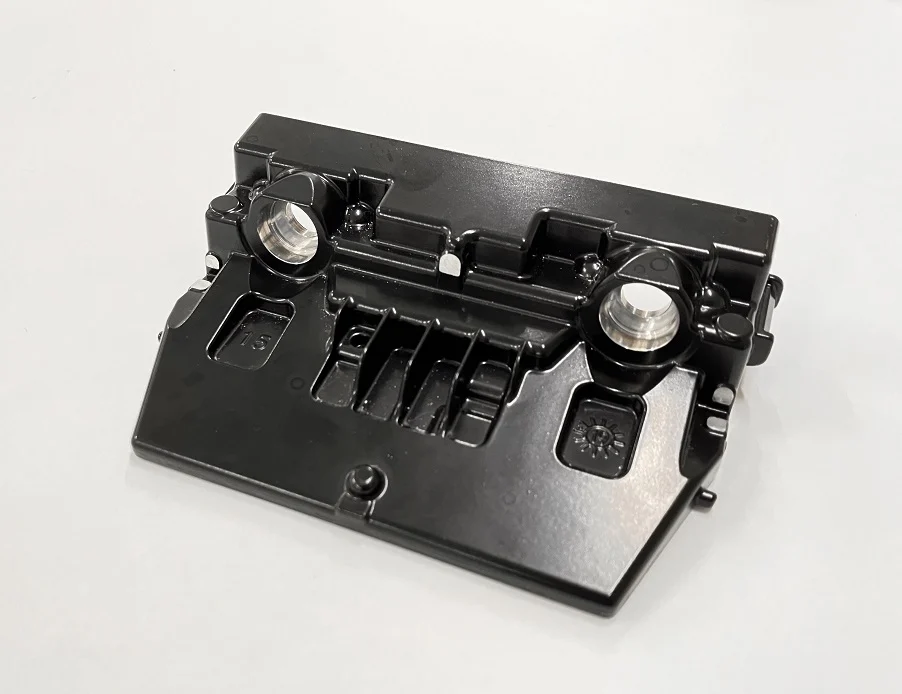
IWAKI DIECAST Co., Ltd., founded in 1968 in Miyagi, Japan, makes die castings and metal injection molded (MIM) parts for the automotive and medical equipment sectors.
Challenge
The previous 3D CAD software lacked adequate fillet modeling. Fillets matter in castings because they smooth transitions and reduce stress concentration. The company also wanted a more cost-effective CAD solution.
Solution
IWAKI DIECAST uses ThinkDesign across design and sales:
- Mold and die-casting mold modeling with several fillet features.
- Interactive Solid Modeling (ISM) to offset and remove fillets without editing the model history.
- Capping and lofted surface commands for mold surfaces.
- A ThinkParts catalog of company-standard components, assembly management and interference checks.
- Volume and mass properties to estimate mold material and reduce waste.
- Spreadsheet-driven parametric models, 2D-to-3D conversion, and drawings and quotations for customer orders.
Results
- Modification time reduced by 60%.
- Lower maintenance costs and a better total cost of ownership, described without figures.
“Modification time has been reduced by 60%.”
Masatsugu Murakami, Section Manager, IWAKI DIECAST (as reported by DPT)
What this means for your work
Die-casting and injection molds go through many small changes: fillets, drafts and offsets. Editing these directly, without rebuilding feature history, is where much of the time is saved. See Interactive modeling on the ThinkDesign page.
Source: DPT, https://dptlab.com/thinksuccess/iwaki-diecast/
Have a project like this?
Tell us the part and the problem, and a Softprint engineer will suggest how to approach it.